Tools for Tracking Habit Progress

Chosen Theme: Tools for Tracking Habit Progress. Discover friendly, practical ways to visualize your consistency, keep motivation alive, and turn tiny wins into momentum you can actually see, feel, and celebrate every single day.

Find Your Fit: Choosing the Right Tracking Tool

Paper journals invite reflection, apps enable reminders and streaks, and wearables capture passive data. The best tool for tracking habit progress is whichever removes friction while amplifying your intrinsic desire to show up consistently.

Find Your Fit: Choosing the Right Tracking Tool

If a tool takes longer to manage than the habit itself, it will eventually gather dust. Choose tracking tools that reveal clear progress indicators quickly, helping you understand what’s working without overwhelming dashboards.

Habit-Tracking Apps That Nudge, Not Nag

Tie reminders to time, location, or prior actions for better follow-through. The right app helps tracking habit progress by prompting you when it matters most, not simply when the clock chimes without context.

Habit-Tracking Apps That Nudge, Not Nag

Streak counters motivate, tags add meaning, and notes capture nuance. Together, they turn raw checkmarks into a story of habit progress you can analyze, learn from, and share in your weekly review.

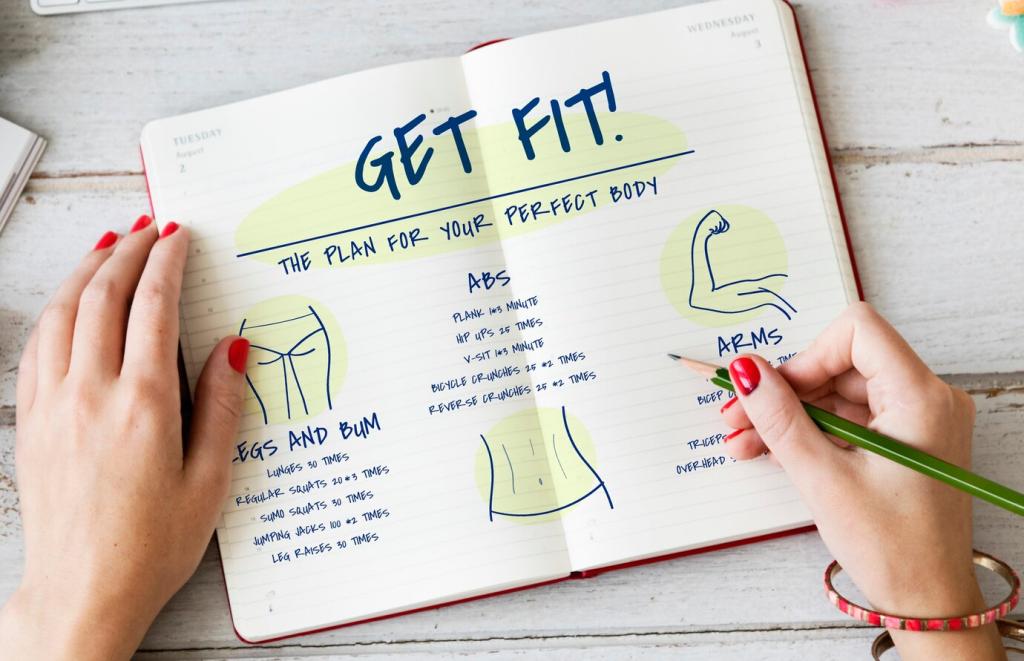
Paper Power: Journals, Grids, and Habit Mood Maps

Monthly Habit Grids

Draw a simple grid and shade each completed day. The visual density of shaded boxes becomes a persuasive portrait of habit progress, turning consistency into something you can literally feel under your pen.

Mood and Energy Color Codes

Add colors for mood and energy alongside checkmarks. Patterns emerge: your habit progress often spikes on certain days or after certain routines, revealing when to schedule challenging tasks for effortless wins.

Spreadsheets and Dashboards for Data Lovers

Use conditional formatting for a month-long heatmap and a seven-day rolling average. These visuals reveal whether tracking habit progress is trending upward, even when daily fluctuations disguise improvement.
Limit manual entry to a single number or checkbox. Automate totals and charts. Lightweight inputs keep tracking habit progress sustainable while your spreadsheet quietly compiles meaningful, actionable insights.
Create a tab for reflections: wins, blockers, and next experiments. This rhythm turns your tracker into a lab, where tracking habit progress becomes a cycle of hypothesis, action, and better habits.

Wearables and Passive Tracking: Let Data Do the Heavy Lifting

A sleep score isn’t just a number; it explains why your morning habit felt heavy. Connecting wearable data to tracking habit progress helps you tune habits to your body’s actual readiness each day.

Friction Down, Reward Up

Place your tracker where the habit happens. One-tap logging, instant visual feedback, and small celebrations make tracking habit progress feel rewarding, training your brain to return for the next check-in.

If–Then Prompts and Habit Stacking

Use templates like “After I brew coffee, I mark my reading.” Embedding prompts inside your tools aligns tracking habit progress with routines you already trust, reducing decision fatigue every morning.

Identity-Based Checkmarks

Label your tracker with who you’re becoming: “Runner,” “Reader,” “Calm Communicator.” Each tick affirms identity, turning tracking habit progress into a daily vote for the person you intend to be.

Stories, Reviews, and Iteration Rituals

Maya nearly quit meditating until a simple heatmap showed a surprising streak. Seeing eight green days reignited belief, and tracking habit progress became her proof that tiny, quiet wins actually compound.

Stories, Reviews, and Iteration Rituals

Ask three questions: What moved the needle? What felt heavy? What will I change? This cadence keeps tracking habit progress dynamic, letting you prune low-value metrics and double down on leverage.
Mariamouedraogo
Privacy Overview

This website uses cookies so that we can provide you with the best user experience possible. Cookie information is stored in your browser and performs functions such as recognising you when you return to our website and helping our team to understand which sections of the website you find most interesting and useful.